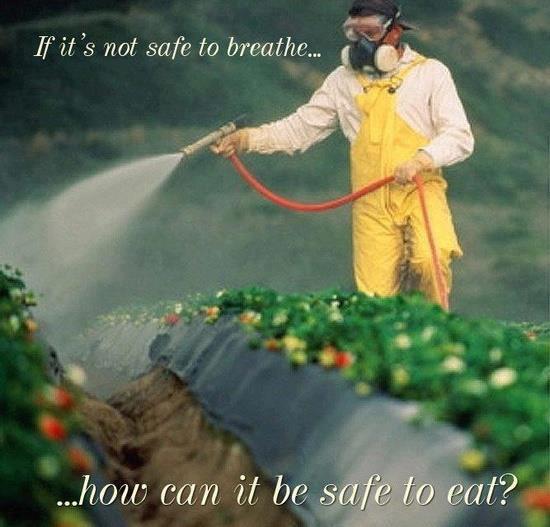
As an organic farmer, I am often asked “Why is organic food so expensive?”
The simple answer is that it’s not. It is that conventional (chemical) food is cheap. Or more accurately, the price of conventional food does not reflect its true cost. Let me explain:
The introduction of chemical fertilizers, pesticides and herbicides dramatically increased yields and lowered labor input costs, thereby decreasing the price of food. However, they also imposed costs that are not reflected in the price consumers pay for food, what economist call externalities.
Chemical fertilizers are cheaper and more potent than organic fertilizers, resulting in widespread overuse. The use of these highly concentrated fertilizers has created vast dead zones in our oceans, rivers and lakes. This is a cost, but we as consumers don’t pay for it. To grow an equivalent amount of food, organic farmers need to transport and spread much larger quantities of slow-release, low concentration fertilizer on their fields which results in increased labor costs that is paid for by the consumer.
Chemical pesticide and herbicide use is contaminating ground water worldwide. Atrazine, one of the world’s most widely used pesticides, wreaks havoc with the sex lives of adult male frogs, emasculating three-quarter of them. So while the price we pay for conventional food is cheap, the cost to the environment is not. Without chemical pesticides, organic farmers suffer greater crop loss from pests. Since consumers will not accept blemished fruits and vegetables, organic farmers end up with significantly less salable produce. Hence, they need to sell the salable produce at a higher price in order to survive.
Finally, there is no such thing as organic herbicides, so the organic farmer must manually or mechanically remove weeds. This again, increases the cost of production and needs to be paid for by the consumer. Continue reading “Why is organic food so expensive?”






 Go Green Hong Kong