Natural deodorant: Does it work?

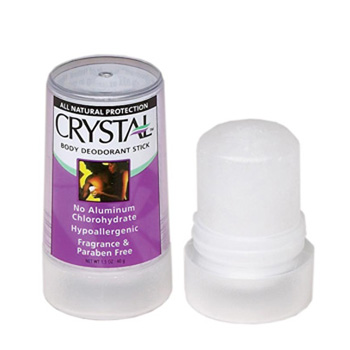
Crystal

PRODUCT Mineral crystal deodorant stick HK$20-30. They are sold under various brands such as Crystal or Naturally Fresh.

PRODUCT RATING Very good (when used correctly – see below). It doesn’t prevent you from sweating, by clogging up your pores, like antiperspirants and it doesn’t cover up the smell with a strong fragrance, like conventional deodorants. It lets you sweat naturally, but inhibits the growth of bacteria that causes body odour.

GREEN RATING Quite Green. The crystals occur naturally and do not contain synthetic chemicals like conventional products. The packaging is excessive, however the product is much smaller in size and last significantly longer (up to 9 months) than conventional products thereby producing less garbage overall.

WHERE TO BUY IT Sasa

Sweat is important in allowing the body to naturally cool itself, but many of us are concerned about smelling bad.  Antiperspirants use an aluminum based compound to prevent sweating. Aluminum ions are drawn through ducts in your skin into your cells. The ions bring water with them, causing the cells to swell and squeeze the ducts closed so sweat can’t get out. For those that sweat alot, this may permanently shrink the sweat gland, decreasing the amount of sweat it can produce. To read more about how they work click here.

In contrast, deodrants use strong fragrances to cover up smell and contain hazardous anti-bacterials like Triclosan to inhibit the growth of the bacteria that causes odour. Conventional deodorants and antiperspirants contain a myriad of chemicals that may or may not be good for your health.

This recommended alternative is made of naturally occuring mineral salts. When a thin layer of salt is applied to your skin, it can prevent the growth of bacteria, and thus control odour. Continue reading “Natural deodorant: Does it work?”

Low Energy Warm and Cozy

PRICE RANGE Electric heating pads range in price from HKD 200-800

PRODUCT RATING Great. Most heaters dry the air, making your skin itchy and sinuses uncomfortable. Electric heating pads keep you warm and toasty without drying the air. There is nothing more comforting on a cold night then climbing into a warm bed.

GREEN RATING Quite Green. Our previous room heater consumed over 2000 watts of electricity. The electric heating pad uses less than 100 watts.

The Hong Kong Observatory forecasts a colder winter this year due to climate change. As climate change increases occurences of extreme weather, we will consume more energy trying to keep our environment within our comfort zone. As we consume more energy we inevitably drive the climate to even greater extremes.

By becoming smarter consumers, we can find ways to stay comfortable while reducing our impact on the environment (not to mention our wallets). The electric heating pad is an example of how we can remain comfortable while drastically slashing our energy consumption. It keeps us warm without needlessly heating the space under our bed or near the ceiling for example. Continue reading “Low Energy Warm and Cozy”

Do Natural Cleaners Work?

Many commercial cleaners contain toxic chemicals that are hazardous to our health and to the environment. Chemicals in common household cleaners have been found to induce occupational asthma, reduce fertility and birth weight in mice, reduce embryo survival in fish, reduce sperm count in adult men, and cause allergies in children. This list only includes some of the proven effects of chemical cleaners. There are no studies on the effects of long term exposure to these chemicals or the effects of the interaction of chemicals in our environment.

We need to balance our need and desire for cleanliness against the effects these chemicals have on our health and the environment. What this article seeks to do is look at the science to determine if natural cleaners are a viable alternative.

In order to determine if we can replace the chemical cleaners that we find on supermarket shelves with natural cleaners, we need to first define what we expect to accomplish by using cleaners. Generally, cleaners should remove dirt and maintain hygiene. I expect cleaners to perform three specific functions: (1) eliminate germs, (2) mask or remove odors, and (3) loosen dirt and grime so it can be washed away.

GERMS

The failure to remove bacteria from food preparation surfaces can have implications in the transmission of food borne diseases. Many anti-bacterial cleaners have been developed to provide convenient cleaning of food prep areas, replacing the proven method of washing with detergent and rinsing with water.

Our excessive obsession with eliminating germs  by using anti-bacterials may be having adverse consequences on our health. Germs may play a role in developing our immune system, the fewer germs people are exposed to in childhood, the more vulnerable they may be to sickness as adults. More worryingly, Anti-bacterial soaps, cleaners and toothpaste have now been shown to weaken muscle function by interrupting cellular communcation necessary for muscle contraction.

The primary benefit of anti-bacterial cleansers is their ability to provide us with peace of mind by guaranteeing the elimination of germs. This study from the University of Florida shows that anti-bacterial cleaners are able to eliminate 99.99% of E.coli, Listeria and Staphylococcus bacteria from surfaces. In comparison, a mixture of 1 part vinegar, 1 part lemon juice, 2 parts water and pinch of baking soda was able to eliminate 99.9% of these same bacteria. This test involved innoculating surfaces with bacteria and then spraying or pouring the cleaners on the infected surfaces. The surfaces were not washed or rinsed (the proven, traditional solution). From this study, we can conclude that natural cleaners can be highly effective in reducing germs (but is a statistically significant 00.01% less so). The acidic nature of vinegar makes it a good disinfectant that is also effective against mold. Continue reading “Do Natural Cleaners Work?”

Clean and Reinvigorated Naturally

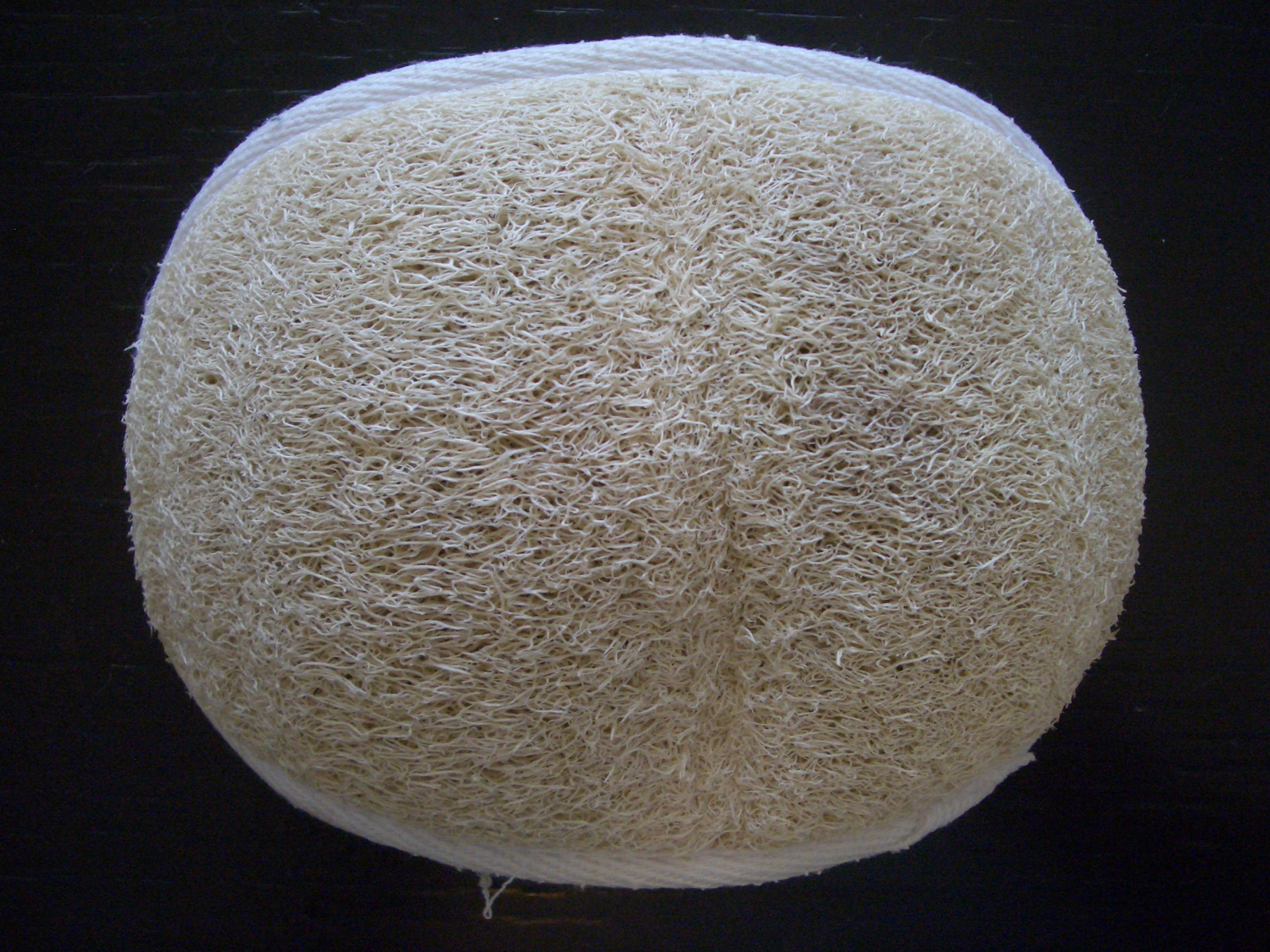
PRODUCT Loofah bath sponges. HK$ 10-15

PRODUCT RATING Great for bathing and exfoliating dead skin. Washing with this scrub gives your skin a clean, refreshed feel. May feel a bit rough on the skin the first few times you use it. The slim profile and an elastic strap on the back makes it easy to hold.

GREEN RATING Quite Green. Made from a natural vegetable fiber, instead of petrochemicals, the pad itself is made of a sustainable material. It is trimmed with some terry cloth, cotton trimming and an elastic strap. When thrown away, most of it should biodegrade quite easily.

WHERE TO BUY IT A little stall in the Sham Shui Po market. Sasa occasionally sells them. Also available on Taobao.

If you use nylon mesh puffs or synthetic bath sponges, you may want to consider trying this natural loofah bathing pad instead. It is made from the fibers of the loofah plant, also known as a gourd, that is grown by farmers in Asia.

It has a coarse texture that stimulates the skin but may take some getting used to. It scrubs off dead skin and works especially well on rough patches. After using it, your skin feels super clean and revitalized. I have come to enjoy the coarse feel especially after a good sweat. Continue reading “Clean and Reinvigorated Naturally”

Are you mosquito bait?

PRODUCT & PRICE Lemon grass oil from Taiwan HK$62

PRODUCT RATING Safe and very effective. Rub it liberally on all exposed skin (use alot) and you’ll rarely get bitten. Needs to be re-applied after a couple hours. Has a strong smell – some people like it, others don’t.

GREEN RATING Quite green. Chemical free. Made of plant-based essential oils. Packaged in a re-fillable glass spray bottle. Completely bio-degradable leaving no trace in the environment.

AVAILABLE AT Health Aims

There is nothing more annoying when you’re enjoying a hike on a nice day than being bitten by mosquitoes.  Since I spend a lot of time outdoors, I’ve tried many of the mosquito repellents on the market. Here is a review of the repellents most commonly found on store shelves.

DEET

The active ingredient in most insect repellents is DEET. It is the most effective insect repellent, but there are human health and environmental concerns associated with its use. According to the US EPA, DEET is slightly toxic to birds, fish and aquatic invertebrates. The overall impact of use on the environment is limited because it is applied only to skin and clothing. However, the production of chemicals such as DEET is inherently environmentally unfriendly.

Of greater concern may be the effect of DEET on humans and this is where it gets more complicated. While deemed safe when used in accordance with instructions, incorrect application can lead to health issues such as skin irritation, disorientation, dizziness and, in extreme cases, seizures or death. According to Cornell University study “Everglades National Park employees having extensive DEET exposure were more likely to have insomnia, mood disturbances and impaired cognitive function than were lesser exposed co-workers”. In 2002, citing human health reason, Health Canada barred the sale of insect repellents for human use that contained more than 30% DEET. The environmental group Beyond Pesticides, lists DEET as neurotoxin. For both environmental and personal health concerns, I avoid all repellents containing chemicals.

PATCHES and WRIST BANDS

I have found that these patches and wrist bands don’t work because they only cover very small areas effectively – mosquitoes will inevitably bite you where you don’t have a patch or wristband. Continue reading “Are you mosquito bait?”

BYO Chopsticks to Reduce Deforestation

PRODUCT Portable chopsticks with case

PRODUCT RATING Very Good. These single-piece, portable chopsticks by muji require no assembly. The chopsticks and case are easy to clean. However, some may have difficulty adjusting to slightly shorter length. Like most of muji’s products, they are relatively high quality and well designed. Made of plastic.

GREEN RATING Light Green. Single-use, disposable chopsticks are a huge problem adding to the plague of regional deforestation. If you use disposable chopsticks while eating lunch at your desk or at sushi restaurants, try bringing a pair of your own. In addition to deforestation, there are also other health and environmental issues associated with using and disposing of single-use chopsticks.

AVAILABLE AT muji. You can also find other portable chopsticks in stores throughout Hong Kong.

Do you use disposable chopsticks to eat lunch at your desk? Or enjoy sushi at places that provide disposable chopsticks? You may want to consider bringing your own for the sake of the planet and your own health. According to the NY Times:

Each year, the equivalent of 3.8 million trees go into the manufacture of about 57 billion disposable pairs of chopsticks in China, according to statistics from that nation’s national forest bureau. About 45 percent of disposable chopsticks are made from trees like cotton wood, birch, and spruce, while the remainder are made from bamboo.

Due to lax enforcement of productions standards in China, disposable chopsticks also pose other risks for consumers and the environment:

Industrial-grade sulfur, paraffin, hydrogen peroxide and insect repellent are among the harmful chemicals that Chinese media investigations have exposed during production. Paraffin is a known carcinogen, and hydrogen peroxide can harm the digestive system. Chopsticks irresponsibly disposed of can contaminate water and soil quality. Continue reading “BYO Chopsticks to Reduce Deforestation”

BYOB to the Bakery

PRODUCT Locally made baked goods

PRODUCT RATING Delicious. Factory-made baked goods from the major chains (Maxims, etc) just can’t compare with the warm taste of fresh-from-the-oven buns made by your neighborhood baker.

GREEN RATING Quite Green. Neighborhood bakeries don’t pre-package their buns in plastic bags, meaning you can bring-your-own-bag (BYOB). Switching to locally baked buns also reduces air pollution. Explained below.

Walking around Hong Kong, you see bakeries literally on every block. This makes getting a tasty bite to eat very convenient. However, due to the unsustainable practices of the major bakery chains, there is a very heavy cost inflicted on the environment. In 2009 (when the plastic bag levy came into effect), bakeries were responsible for 262 million plastic bags ending up in the landfill. A year later, that increased to 370 million bags, an increase of 21%. The ineffectual plastic bag levy exempted many retail categories, including bakeries. Seeing the writing on the wall, many bakery chains decided to “pre-package” their buns in order to circumvent the anticipated future expansion of the bag levy to the previously excluded categories. This is an example of a well intentioned, but poorly executed legislation causing more harm than good (we need a levy on ALL plastic bags).

Most bakery chains in Hong Kong do not produce their baked goods on site. They are produced in factories and then delivered all over Hong Kong. This business model reduces cost and allows the chains to capture economies of scale in production. But the taste of factory made buns just can’t compare with ones freshly out of the oven from your neighborhood bakery. The buns at some of the chains taste like they are made of sugar-coated cardboard. For me, nothing beats a warm, fresh-from-the-oven bun.

This centralized production model results in delivery trucks driving around Hong Kong every day adding to our already dismal air pollution. In contrast, your local neighborhood bakery probably has ingredients delivered once a month, resulting in a lower carbon footprint and reduced air pollution.

When buying baked goods, I would encourage you to try the following in order to reduce the environmental impact:

1. Buy from your neighborhood bakery that bakes its goods onsite. This will support local enterprises while also reducing air pollution in Hong Kong. Continue reading “BYOB to the Bakery”

Sustainable Canned Tuna

PRODUCT & PRICE Marks & Spencer canned tuna steak HK$30(2nd from top)

PRODUCT RATING Tuna steak is much tastier than flaked tuna. However, all tuna should be consumed in moderate quantities due to mercury, from coal fired power plants, that accumulates in the flesh of many larger fish.

GREEN RATING Quite Green for not using endangered species and destructive fishing methods in its canned tuna products. M&S only uses skipjack in its canned tuna products. Unlike many other tuna species, the skipjack tuna population is considered sustainable against its current consumption. According to the Marine Conservation Society (MCS), skipjack tuna stock is neither overfished nor experiencing overfishing. M&S uses only pole and line catch method (no nets) which eliminates “bycatch”. Sharks, rays, marlins, turtles and other fish caught as bycatch are usually thrown back dead because they are the wrong species, the wrong size, of inferior quality or surplus to the fishing operation’s quotas. M&S is ranked #2 in Greenpeace UKs 2011 ranking of sustainable tuna products. John West is ranked #7, while other Hong Kong supermarket brands, such as Ayam, do not specify species or fishing method (labeling is the absolute minimum requirement to even be considered in sustainability rankings). Please remember to recycle your tins.

According to Australian Food News:

“The majority of canned tuna is caught using fish aggregation devices (or FADs) — floating and submerged objects that encourage tuna to gather around them. The fish are then scooped up in huge nets called purse seines.

Marine animals are killed or harmed in fishing operations without ever being brought on board. Species like turtles and dolphins get tangled in nets or hooked on longlines. Even those that escape are sometimes too injured or weak to survive the ordeal. Continue reading “Sustainable Canned Tuna”

Oh…So… Cool

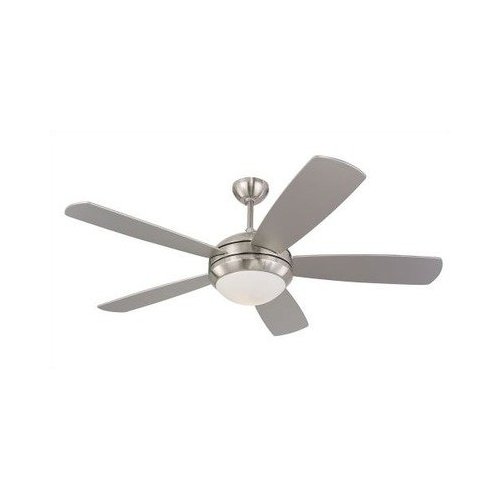
PRICE RANGE HK$ 400 to 3000. Installation may be extra (we paid HK$ 400 to have ours installed).

PRODUCT RATING Cooool. Fans cool you gently without making you vulnerable to colds. According to a study conducted by Cardiff University, “Air conditioning itself may contribute to infection with common cold viruses. The lining of the nose is covered with a thin layer of mucus which protects against infection. Since air conditioners extract moisture from the air they may cause some drying of the protective mucous blanket in the nose and predispose to infection. The cold air may also help viruses to establish a hold in the nose as they reproduce better in a cold nose”. Not to mention the havoc that is caused to your body when you walk into a freezing cold room after having been outside in the blazing heat.

GREEN RATING Quite Green. Fans consume only one-tenth the electricity compared to an air conditioner. However, due to the inconceivably poor design of Hong Kong apartments – with large, protruding bay windows that trap heat, windows that don’t open to allow ventilation, etc – fans can only be used primarily as a complement rather than a substitute for air conditioners. Fans are simple, durable devices. In comparison, air conditioners are complex to manufacture and dispose of safely. New air conditioners contain refrigerants (flourocarbons) that do not deplete the ozone layer, but still contribute to global warming because they are potent greenhouse gases.

AVAILABLE AT http://www.smcfans.com/products

Modern humans are comfortable within a fairly narrow temperature range – according to the EPD, over 90% of building occupants feel comfortable with temperature between 22.5C and 25.5C. In Hong Kong, where summer temperatures can easily rise above 30C, we face a conundrum – do we use an air conditioner to make ourselves cooler today, while pumping more greenhouse gases into the atmosphere that will guarantee a hotter climate for ourselves in the future?

One way we can try to maintain a cooler living environment while lessening our impact on the planet is to use fans. By installing a ceiling fan in our bedroom, we have been able to reduce the number of nights we turn on the air conditioner by about 30% (the two weeks at the beginning and end of summer). Even when we do use the air conditioner, we are able to able to set it at 26C. For every 1C increase in your thermostat setting – you reduce your electricity consumption by 3%. Continue reading “Oh…So… Cool”